
Dramatic decline in seabird populations in last decade
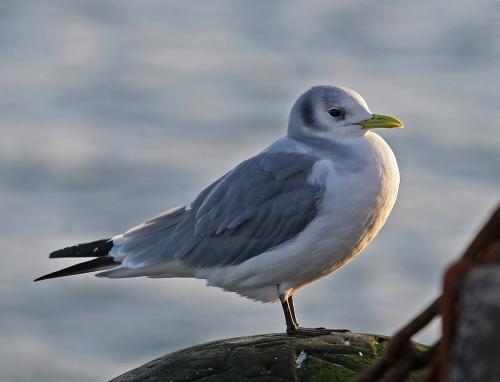
Britain’s seabird populations are suffering a steep and perilous decline, according to new figures released by the Joint Nature Conservation Committee (JNCC), the government’s conservation adviser.
The figures, which bring together data from 1999 to 2009, from across the UK, show that many of our best known species are disappearing at an alarming rate.
According to the JNCC, numbers of northern fulmars have fallen 38 per cent nationwide in the past 10 years. The population of Arctic skuas has fallen 33 per cent in the same period.
The drop in kittiwake numbers is 40 per cent; in lesser black-backed gulls it is 31 per cent; in herring gulls 43 per cent; great black-backed gulls 30 per cent; and razorbills 11 per cent. The figures for gannets, great skuas, black guillemots and puffins are not currently available.
Across the UK, numbers of some species do seem to be rising, however, including common guillemots, which show a small increase of three per cent, and Arctic terns, which have increased by 14 per cent. These scraps of good news nationally though, are not mirrored by the local situation, where the breeding success of both species has been patchy at best in recent years.
SOTEAG ornithologist Martin Heubeck said that while there was considerable variation, even across Shetland, “some guillemot colonies you couldn’t even describe as a shadow of their former self”.
Mr Heubeck stressed that it was extremely difficult to generalise about local changes in the last 10 years, as some species are better able than others to deal with changes in food availability. But overall, he explained, “the more sensitive species didn’t do well in the first part of this last decade”.
“In terms of breeding performance and breeding numbers, 2000 to 2005 saw steep decline; since then it has been variable – good years and bad years. On the whole, since 2005, it’s gone to this patchiness.”
A regionalised breakdown of the JNCC figures should be available next month, and the results of 2010’s breeding season in Shetland will be known later in the year.



NO COMMENTS
Add Your Comment